
Dr Linia Patel, a registered dietitian and author of Food for Menopause explains both perimenopausal and menopausal dietary advice is much the same.
There’s a focus on hydration, maintaining balanced blood glucose levels, following an anti-inflammatory diet and nourishing your gut bacteria.
“However, individual variations come into play, depending on the specific symptoms you’re experiencing,” says Patel.
It’s worth thinking carefully about your symptoms and identifying any food or drink that could exacerbate them, suggests Haskey.
That’s not to suggest you cut them out entirely, “but it’s about being mindful of how you respond when you eat or drink them and, if they are having an impact, reducing them.”
For example, if poor sleep or heart palpitations are a factor, cutting back on caffeine might help, she suggests.
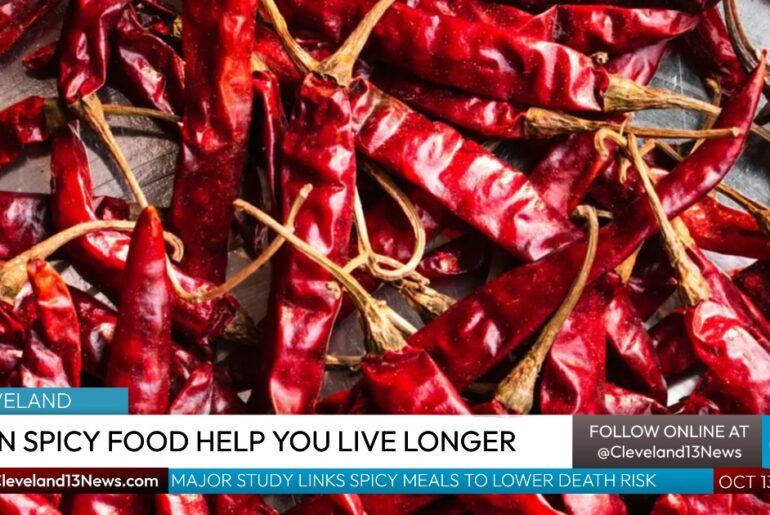
If night sweats and hot flushes are an issue, it might be sensible to take spicy foods off the menu on most days.
Patel points out that excess alcohol can also make symptoms worse, feeding into issues with sleep, mood and hot flushes, among other symptoms. Plus, some women report becoming more sensitive to alcohol in midlife.
Patel says there’s a common misconception that “carbs make you fat, inflamed and sluggish” during menopause but the key is choosing the “right ones and the right portions”.
Symptoms like weight gain can in part be caused by eating too much sugar and too many refined carbohydrates, she explains. But fatigue, headaches, sugar cravings and irritability could actually be caused by a lack of complex carbs like wholegrains, beans and lentils.
“They contain fibre and protein which means they are good for helping control your blood sugar levels.”
Related stories