
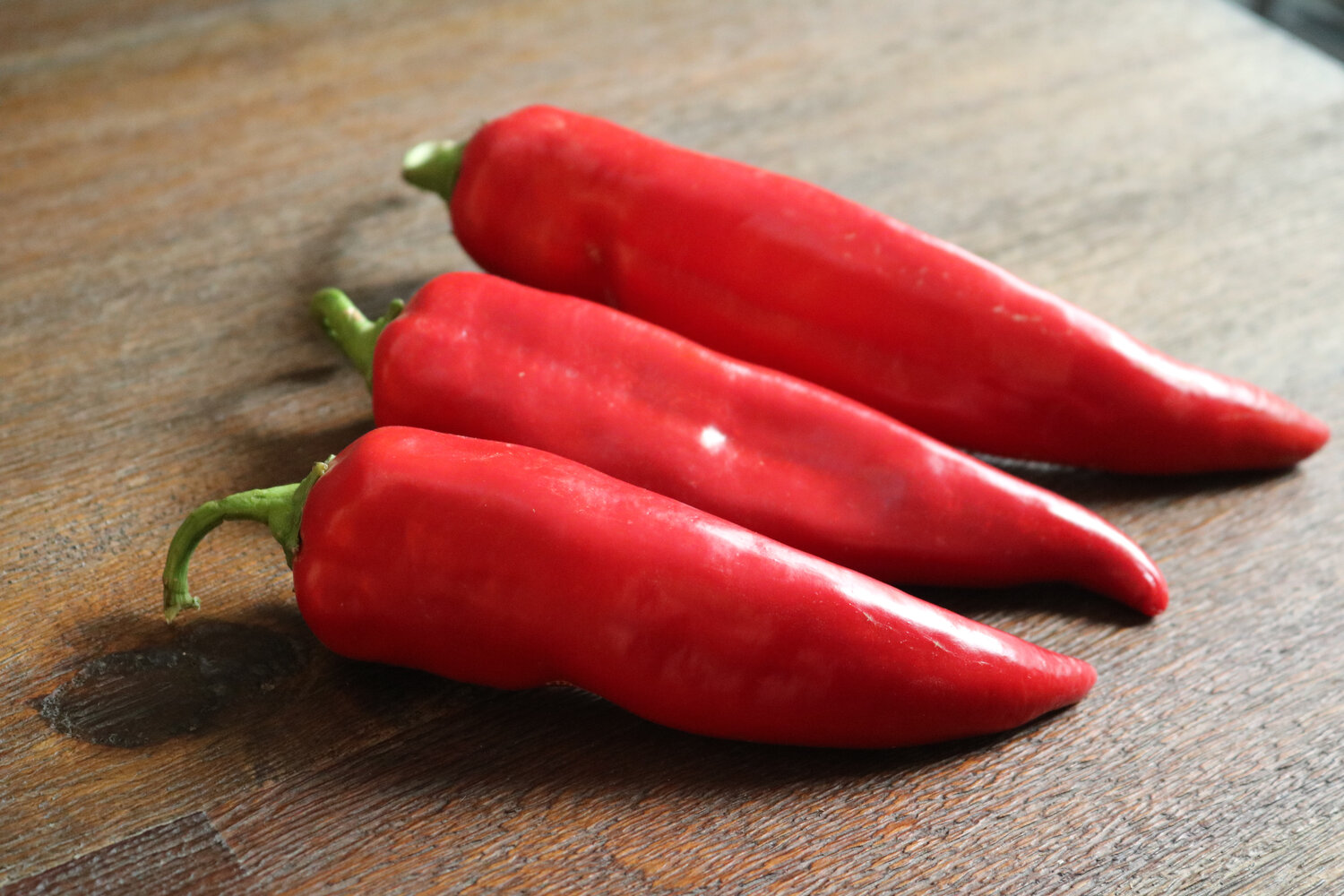
REGION — Whether it’s the smoky sizzle of a roasted Padron or the fiery kick of a 500,000 Scoville-unit ‘Buffy’ pepper, the world is craving heat. To celebrate the diversity, history, and culinary impact of this ancient crop, National Garden Bureau has officially named 2026 the Year of the Hot Pepper.
First domesticated over 10,000 years ago in the Americas, peppers (Capsicum spp.) have traveled the globe to become the backbone of regional cuisines on every continent. Today, a new generation of home gardeners and “chile-heads” are rediscovering the crop, moving beyond the standard jalapeño to explore five distinct species that offer everything from citrusy aromas to cold-hardy resilience.
A World of Heat in Your Backyard
While most consumers are familiar with Capsicum annuum (like bell peppers and jalapeños), this year’s celebration highlights the incredible botanical diversity available to the home grower:
The “Super-Hots”: C. chinense varieties like Habaneros and super-hot hybrids deliver extreme heat.
The Exotic: C. baccatum (like the funky-shaped ‘Mad Hatter’) offers fruity, floral notes rarely found in grocery stores.
The Hardy: C. pubescens (Manzano types) features unique purple flowers and black seeds, thriving in cooler temperatures where other peppers struggle.
2026 Featured Cultivars
The “Year of the Hot Pepper” spotlights high-performing varieties—many of them All-America Selections Winners (https://all-americaselections.org/winners/)—that combine aesthetic beauty with kitchen utility:
For the Chef: Emerald Fire F1 – A deep green, disease-resistant jalapeño perfect for stuffing or fresh salsa.
The Conversation Starter: Mad Hatter F1 – A disc-shaped pepper with a sweet, citrusy finish and just a touch of heat.
The Landscape Star: Buffy F1 – An ornamental powerhouse that packs a 500,000 Scoville punch.
The “Trickster”: Roulette F1 – A red habanero that looks dangerously hot but is actually sweet—perfect for those who love the aroma without the burn.
Expert Tips for a Successful Harvest
Growing peppers requires patience, but the reward is a vibrant, high-yield harvest. Key advice for 2026 includes:
Start Early: Peppers should be started indoors 6–8 weeks before the last frost. Use a heat mat for uniform germination.
Wait for Warmth: Peppers are extremely cold-sensitive; do not transplant until nighttime temperatures are consistently above 55°F.
Support the Weight: Use cages or stakes to prevent branches from breaking as fruits reach maturity.
Safety First: Always wear gloves when harvesting and processing hot peppers to avoid skin and eye irritation from capsaicin.
“Peppers truly spice up our lives,” says Diane Blazek, Executive Director, National Garden Bureau. “With the diversity of colors, shapes, and heat levels available today, there is a perfect pepper for every palate and every garden, from a tiny balcony container to a sprawling backyard plot.”
For more information on the Year of the Hot Pepper, including detailed growing guides, please visit https://ngb.org/year-of-the-hot-pepper/


