
MY TURN: Food security is on the ballot in Alaska
Published 4:30 am Wednesday, October 14, 2026
Every Thursday at 3 p.m., a few dozen folks are lined up outside the Southeast Alaska Food Bank waiting for the public pantry to open. Normally, folks are chatting amongst themselves in the line, and when the weather allows it, spirits are usually high. Over the past two years, I’ve had the great pleasure of getting to know many of them on a first name basis.
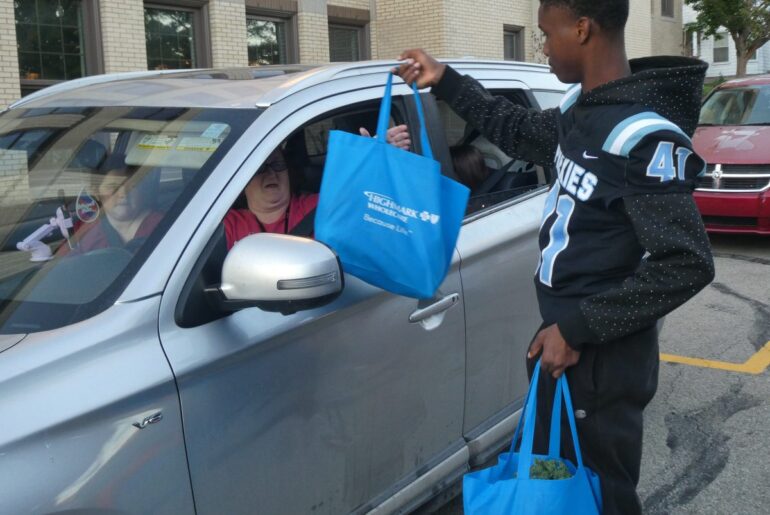
Last week I met a father and son who were attending for the first time. Dad works construction, son plays hockey, both are big eaters, and food isn’t getting cheaper.
Most of our patrons are like these two, trying hard, living full lives, and unsure if they’ll have enough food to get through the week. At the Southeast Alaska Food Bank, we reject that uncertainty. We believe that every Alaskan should have the opportunity to enjoy a better quality of life and have consistent access to quality, nutritious food.
We’re seeing a lot of new faces these days and expect to serve about 500 people via our public pantry each week. In the world of food banking, we often discuss two big priorities: feeding the line and shortening the line. Feeding the line is a lot of work, but our amazing team of mostly volunteers gets it done, even when we’re serving approximately twice as many hungry people as we were when I started in 2024. Shortening the line is even tougher, and it is something that our team cannot do alone. This requires policy change, investments, and legislation to make food accessible to real people. Real people like hockey players and single parents, like the 1 in 5 Alaskan kids that are food insecure and fighting to access school meals, like our elders (seniors are rapidly becoming more food insecure, especially in Alaska) trying to access the Commodity Food Surplus Program or working families that simply aren’t making ends meet any more, which Alaska Public Media recently reported could be as many as 40% of Alaska households.
And so, as always, we rely on the good will of the communities we serve when we humbly ask that you think of your neighbors when you go to the ballot box this November. Whether you’ve experienced hunger firsthand or if you’ve never had to wonder where your next meal might come from, you may not think about food as a political issue. Yet our elected officials regularly make consequential decisions that shape food access and food security in our communities. Food is on the ballot every election in Alaska, and if you follow the legislature you’ll know that food is on the docket in some form every session (including giant cabbages). As good neighbors, Alaskans should insist on a government that puts a high priority on meeting the constituency’s basic needs. We can make our insistence heard this fall by voting to ensure that everybody eats.
If we’re ever going to shorten the line, we need our elected officials to shape policies, investments, and partnerships that positively influence food security across our state. In turn, they depend on Alaskans to participate in our democracy, share our experiences, and help identify creative solutions to the many and varied challenges facing our communities. As the frequency and intensity of extreme weather increases, the state is reckoning with the real costs of feeding displaced and vulnerable populations. As food assistance programs like SNAP and WIC are suffering major cuts and fewer people have access to them, food insecurity worsens. As Feeding America’s “Map the Meal Gap” study’s most recent data shows over 115,000 Alaskans without enough to eat, we know the fight is far from over.
Nevertheless, we have been heartened to see the State make an investment in feeding victims of disaster in the last few years. During the extended government shutdown last fall, the governor reallocated $10 million to our network to purchase emergency food supplies to meet the SNAP shortfall and respond to Typhoon Halong. In this year’s budget, the State included another $2 million for emergency food purchasing. This kind of legislation is what makes our systems sustainable, and the legislators we ought to elect are those that place a high priority on caring for their constituents’ emerging needs. After all, the idea behind a representative democracy is that we’ll choose officials to look out for us. Our network will continue to advocate tirelessly for more government support to enhance our readiness and keep us agile. We call on you to make your voice heard by casting your ballot this fall.
Alaska is a bountiful state and Alaskans are a fortunate people; even in lean times, our fisheries are abundant and our diverse ecosystems provide an enormous variety of delicious foods. Still, we continue to import over 95% of food consumed in the state. Most of us know what can happen to the shelves at our local store if a barge comes in late or a flight is missed. Within Alaska’s network of food banks and food pantries, we are working day in and day out to support and sustain our fragile food systems. We live in a world where everybody eats, yet not everybody votes. Our vision this election season is simple: Alaskans participate, Alaskans are heard, and Alaskans seize the opportunity to shape the future of healthy communities.
Early voting starts on Oct. 19 and election day is Nov. 3. Double check your voter registration and make a plan to vote. Together, we can strengthen our democracy, and, in turn, strengthen the health, wellbeing, and food security of people across Alaska.
Daniel Parks is the executive director for the Southeast Alaska Food Bank. Dan grew up in Montana and Oregon, where he learned to love the outdoors, but it wasn’t until he moved to Juneau in 2019 that he found the perfect marriage of the mountains and the sea. Since coming to Juneau, he has worked in tourism and the non-profit sector with a focus on recreational and food access issues.