

PONCE INLET, Fla. — Volusia County teams are taking steps to get rid of an invasive species in Ponce Inlet.
What You Need To Know
Brazilian pepper plants are an invasive species threatening native vegetation and wildlife habitats within Lighthouse Point Park in Ponce Inlet.
According to Volusia County officials, the species forms dense thickets that prevent young coastal plants from growing
The state of Florida Coastal Partnership Initiative Grant, awarded in 2025, covers nearly half the cost of the Brazilian pepper removal.
“It’s an assembly line, one cuts, one drags, they throw it in the chipper, and they’re on to the next spot,” Clayton Jackson, Public Information Officer for Volusia County, said.
Brazilian pepper plants are an invasive species threatening native vegetation and wildlife habitats within Lighthouse Point Park in Ponce Inlet.
According to Volusia County officials, the species forms dense thickets that prevent young coastal plants from growing, and it alters natural processes that help protect shorelines.
“Those little red berries that you see on the plant can actually be eaten by birds. The birds can then fly away, and the droppings can further spread that. So, we’re doing this right now to take care of it while we can,” Jackson said.
The county project includes partnering with contractors to physically cut and remove the Brazilian pepper from the area so native vegetation can come back.
The effort is clearing the way for an upcoming county project, the Lighthouse Point Park Boardwalk Replacement Project.
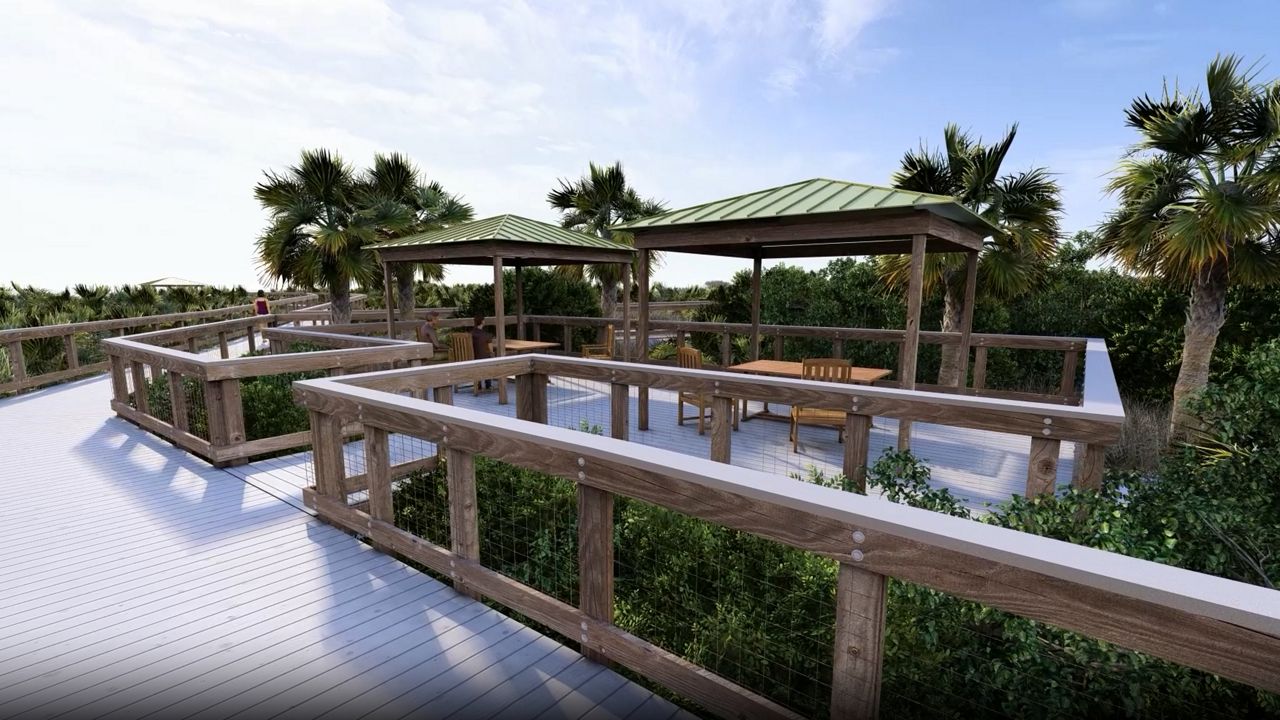
County officials say they are currently designing and permitting the replacement and expansion of the timber boardwalks at Lighthouse Point Park.
Upgrades you can expect include observation decks at each beach access location, synthetic decking, and railing for improved longevity.
“It’s going to improve the sightlines for the visitors coming to the park, as well as a lot of this vegetation is going to be removed, so therefore whenever we do have construction crews and we’re able to start working on that project, it’s going to be much easier for everyone to get in, get their things done and expedite and facilitate the boardwalk project in the fall,” Jackson said.
This work is something members of Dream Green Volusia, an area nonprofit, believes in.
It specializes in environmental issues across Volusia County.
“A lot of areas are facing this problem, not just private residents, so when we can get funding for the public lands or the open areas like that, it’s a welcome reprieve to be able to remove what we can to keep it from spreading even more,” said Suzanne Scheiber, founder and president of Dream Green Volusia.

Scheiber hopes other areas in the county get the same treatment.
“A lot of times with the general public, they think the plant is attractive. But they don’t realize the damage that it does,” she said.
We’re told work to get rid of the Brazilian pepper will continue at Ponce Inlet over the next week or so.
The state of Florida Coastal Partnership Initiative Grant, awarded in 2025, covers nearly half the cost of the Brazilian pepper removal.
The remaining funding comes from the Ponce de Leon and Inlet District.


