

Skilled midwives will now conduct forensic examinations in sexual assault cases to reduce lengthy waits for victim-survivors after SA Health figures showed there were only 12 trained staff in the state.
Attorney-General Kyam Maher said the new regulations are now in effect in response to a recommendation in the SA Royal Commission into Domestic, Family and Sexual Violence, which was handed down in August last year.
“What the Royal Commission noted was particularly in regional areas there often isn’t enough medical practitioners or registered nurses to conduct examinations in the case of sexual assault,” Mr Maher said.
“Midwives who go through the appropriate training will be able to conduct examinations in sexual assault cases, making sure that there are more people right around SA that victim-survivors can go to … at these really horrific and horrifying times.”
Mr Maher said timeliness in collecting evidence in sexual assault cases was important.

Attorney-General Kyam Maher said the change would help regional victim-survivors. (ABC News: Briana Fiore)
“To make sure that the evidence is as strong as it can be and doesn’t degrade or deteriorate,” he said.
“But also for the victim-survivor, often after sexual assault cases you can’t wash, you often don’t change clothes… so to do it very quickly is important …. for the wellness of victim-survivors.”
SA Health told the ABC there are nine government trained forensic examiners in Adelaide and three in regional SA.
“We see people as soon as possible however this can be dependent on factors such as other people being seen, delays related to travel, or the immediate health care needs or safety of the individual,” SA Health said in a statement.
Advocate Abbey Hardie, who has lived experience with sexual violence, welcomed the reform.
“Midwives often have experience with very vulnerable and emotionally heavy situations where they are having to use these trauma-informed lenses,” Ms Hardie said.
The advocate said 12 trained staff in the state was not enough to support victim-survivors.
“It’s really shocking that for such a huge state we only have 12 people who can perform this really intense … medical procedure,” she said.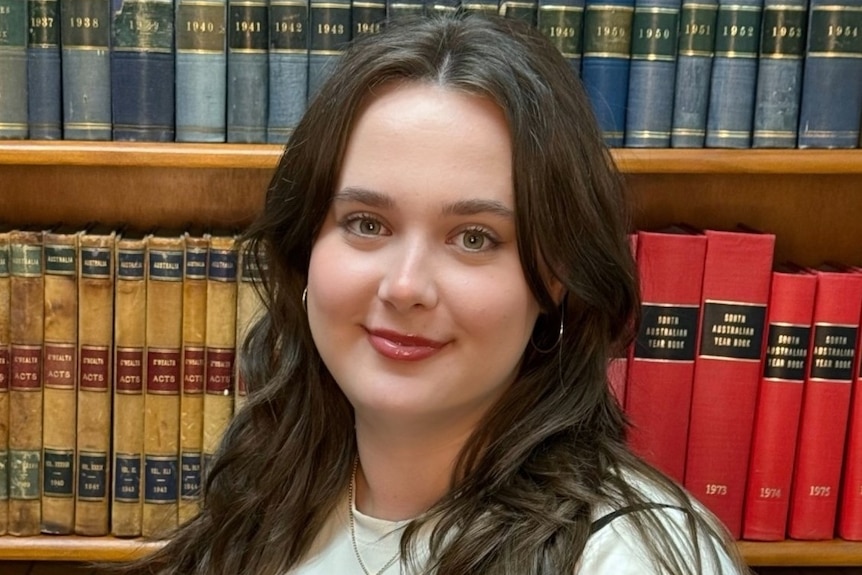
Abbey Hardie welcomes the move to include midwives into the pool of staff who can perform forensic examinations. (ABC News)
Ms Hardie said in her experience she did not seek a forensic examination.
“I think the main barrier that prohibited me from seeking treatment, as well as going through any legislative procedure, was it not feeling like sexual assault,” she said.
“It took me quite a while to come to terms with the reality that I had been raped.”
Ms Hardie said with more staff available it provided victim-survivors more autonomy on who can perform the examination.
Health Minister Blair Boyer said midwives can undertake 40 hours of training, which will be provided by SA government sexual assault service, Yarrow Place.
“I’m confident that is going to really bolster the workforce, reduce any wait times, reduce the need for people to travel long distances around South Australia,” Mr Boyer said.Sexual assault support services:
So far this year, 184 sexual assault victims have presented to Yarrow Place for forensic testing while 281 people attended last year.
Mary Leaker from SA’s peak body for domestic, family and sexual violence services, Embolden, said the limited number of trained regional staff highlighted the need to expand the pool of examiners.
“This is a really important step in improving wellbeing and justice outcomes for victim-survivors of sexual assault, no matter where they live across the state,” Ms Leaker said.

Embolden’s Mary Leaker welcomes the reform. (ABC News)
Ms Leaker said it was important to monitor the reform’s impact by examining data provided by SA Health.
“We are hopeful that it will reduce the need for victim-survivors living regionally and remotely to travel to Adelaide, we know that these reforms have had a positive impact in Tasmania, we are confident that it will make a difference,” she said.
Do you know more about this story? Get in touch with Briana Fiore at brianafiore@protonmail.com
Advocate Abbey Hardie, who has lived experience with family and sexual violence, welcomed the move to include midwives into the pool of potential forensic examiners.
“Midwives often have experience with very vulnerable and emotionally heavy situations where they are having to use these trauma informed lenses.
Ms Hardie said 12 trained staff in the state was not enough to support victim-survivors.
“It’s really shocking that for such a huge state, we only have 12 people who can perform this really intense… medical procedure,” she said.
Ms Hardie said in her experience she didn’t seek a forensic examination.
“I think the main barrier that prohibited me from seeking treatment as well as going through any legislative procedures, was it not feeling like sexual assault,” she said.
“It took me quite a while to come to terms with the reality that I had been raped.”
Ms Hardie said with more staff available, it provided victim-survivors more autonomy on who can perform the examination.


